
古代世界七大奇迹,六个都有了交代。金字塔还立在那里,其他几个的废墟也都找到了。唯独巴比伦空中花园——据说是七大奇迹中唯一不是为了神、不是为了炫耀、而是为了爱情建造的——到今天为止,一块砖都没找到。没有地基,没有根茎,什么都没有。它是人类历史上最有名的花园,但它可能根本就不存在。
故事是这样的。大约公元前600年,当时地球上最强大的国王尼布甲尼撒二世,娶了米底王国的公主阿米提斯。她从小在伊朗的群山中长大,那里有清凉的溪流,雨后满山遍野都是绿色。然后她嫁到了巴比伦——一马平川,黄土飞扬,夏天热到五十度,放眼望去只有枣椰树和运河。她想家了。于是这个征服过列国、烧毁过耶路撒冷圣殿的男人,决定给她造一座山。
古代的作家们把这座花园写得天花乱坠。历史学家狄奥多罗斯说,花园每边长一百二十米,层层叠叠的平台高达二十米。每一层都用芦苇、砖块和铅板做了防水,然后填上厚厚的泥土,足以让大树扎根。有一种螺旋装置把幼发拉底河的水抽到顶端,然后水流顺着沟渠一路淌下来。有个作家形容它是“悬在人们头顶上方的永恒之春”。
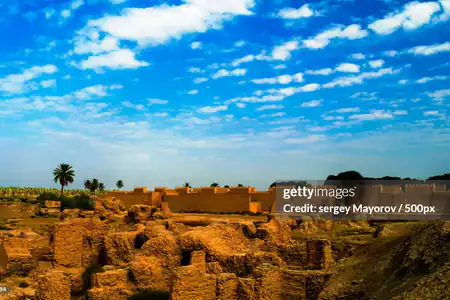
但问题来了:全都对不上。尼布甲尼撒留下了数百条铭文,记录了他修的城墙、城门、神庙和宫殿,却从来没提过一座花园。一次都没有。历史学家希罗多德一百年后到过巴比伦,详详细细写了这座城市,也没提花园。最早的记载是在他死后三百年才出现的。考古学家从1899年开始,在巴比伦挖了整整十八年,什么都没找到。人类历史上最著名的花园,连一丝痕迹都没留下。
2013年,牛津大学的亚述学家斯蒂芬妮·达利扔下了一颗重磅炸弹:花园是真的——只不过不在巴比伦。它在四百五十公里以北的尼尼微,由亚述国王辛纳赫里布在一百年前建造。他的铭文里描述了层层叠叠的花园、青铜螺旋水车,以及一条从山区引水八十公里的水渠。他宫殿中的一块浮雕——现在收藏在大英博物馆——画的正是柱子上方的花园,跟古代文献的描述完美吻合。达利的结论很简单:古代作家把城市搞混了。
连名字都有误导。“空中花园”这个叫法来自希腊语kremastos,原意不是“悬吊在空中”,而是“悬垂”——想象一下,一层叠着一层的平台,每一层都有树木和花草探出边缘,绿意倾泻而下,整座建筑从平坦的荒漠中拔地而起,像是不该出现在那里的东西。不是飘在天上的花园,是一座伪装成山的森林。
这场争论也许永远不会有定论。也许花园确实在巴比伦,埋在地下水位以下,谁也挖不到。也许在尼尼微。也许它只是旅人传说的拼凑,从未真正存在于某一个地方。但两千六百年来始终没有褪色的,是这个故事:一个国王看着地球上最强大的城市,心里想的却是——她不开心。然后他试着为她堆起一座山。人们常说谋事在人、成事在天,可这一次,天把花园收走了,却把爱情留了下来。也许这才是真正的奇迹。