
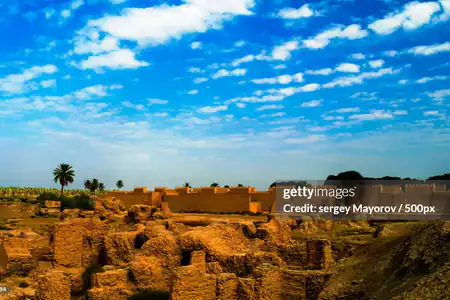
حقيقةٌ تستحقّ أن تَسلُبَ النومَ من كلِّ صاحب سُلطة: أعظمُ إمبراطوريّة في العالم القديم لم تسقط في حرب. سقطت في حفلة. في ليلة الثاني عشر من أكتوبر سنة 539 قبل الميلاد، فُتحت بابل — أكثر مدينةٍ تحصيناً عرفها البشر، بأسوارٍ يمكن أن تتسابق فوقها العربات — بينما حُكّامُها يتمايلون سُكراً. الفُرسُ على الأبواب. وفي الداخل؟ الكؤوس تُملأ حتّى آخرها.
لكنَّ المشكلة الحقيقيّة لم تكن العدوَّ خارج الأسوار، بل المَلِكَ الذي هَجَرَ عاصمته. نَبونائيد، آخر ملوك بابل، كان قد غادرَ قبل عَقدٍ كامل ليعيش في واحة تَيْماء، على بُعد ألف كيلومتر وسط الصحراء. ترك ابنه بَلشَصَّر يتولّى شؤون الحكم وحده. أقدسُ عيدٍ في حياة البابليّين — الاحتفال الذي يُجدِّد شرعيّةَ المَلِك — لم يُقَم عشرَ سنوات. الكَهَنة في غضب. الناس في رُعب. وفارسُ تقترب.
في تلك الليلة الأخيرة، أقام بَلشَصَّر وليمةً فاخرة لألف نبيل. ثمّ ارتكبَ فِعلةً سيتردّد صداها عبر التاريخ: أمرَ الخَدَمَ بإحضار كؤوس الذهب والفضّة التي كان نَبوخَذنَصَّر — أعظم ملوك بابل — قد نهبَها من هيكل سليمان في القدس قبل نحو خمسين عاماً. أوانٍ مُقدَّسة مُكرَّسة لإله بني إسرائيل. بَلشَصَّر وضيوفه شربوا منها كأنّها أكوابٌ عاديّة، وهم يرفعونها تحيّةً لآلهة الذهب والحجر.
وعندها وقعَ ما لا يُصدَّق. يدٌ بشريّة — بلا ذراعٍ، بلا جسد، أصابعُ فقط — ظهرت من العدم وبدأت تخطّ على جدار القصر. رآها بَلشَصَّر بعينيه. ابيَضَّ وجهُه. خارت ركبتاه. صرخَ يستدعي كلَّ حكيمٍ ومُنجِّمٍ في بابل، ووعدَ بالثروة والسُّلطة لمَن يفكّ تلك الكلمات. لم يستطع أحد.
أخيراً، تذكَّرَ أحدُهم دانيال — المَنفيُّ اليهوديّ الذي جاؤوا به إلى بابل صبيّاً قبل ستّةٍ وستّين عاماً، وصار اليوم شيخاً كبيراً. دخلَ دانيال، رفضَ المُكافآت، وقرأ ما على الجدار: مَنَا، مَنَا، تَقِيل، وُفَرسِين. كلماتٌ آراميّة تعمل على مستوَيَين. ظاهرُها أوزانٌ تتناقص — مينا، شيقل، نصف مينا — ترسم انحدارَ ملوك بابل. وباطنُها حُكمُ إعدام: أُحصِيَ. وُزِنَ. قُسِمَ. مملكتُكَ انتهت، وفارسُ تأخذها الليلة.
في تلك الليلة نفسها، نفَّذَ قورُش الكبير خُطّته. أمرَ مهندسيه بتحويل مجرى نهر الفُرات فوق المدينة. النهر كان يخترق بابل من جهةٍ إلى جهة، داخلاً وخارجاً عبر بوّاباتٍ في السور. حين انخفضَ منسوب الماء، سارَ الجنود الفُرس في المجرى الضحل، انزلقوا تحت بوّابات النهر التي لم يكن عليها حراسة، واستولَوا على المدينة من بطنها. سقطت بابل بلا ضربة سيف واحدة.
ماتَ بَلشَصَّر قبل شروق الشمس. ودخلَ قورُش بابلَ بعد سبعة عشر يوماً — لا مُدمِّراً، بل مُحرِّراً. أعاد بناءَ المعابد المُهمَلة، أكرمَ الآلهة المحلّيّة، وأصدرَ مرسوماً غيَّرَ التاريخ: لليهود المَنفيّين أن يعودوا ويُعيدوا بناءَ هيكلهم في القدس. السَّبيُ البابليّ — نحو خمسين عاماً من النفي — انتهى. والكؤوسُ التي شرب منها بَلشَصَّر في ليلته الأخيرة ستعود إلى المدينة التي سُرقت منها.
يقولون: إمهالٌ لا إهمال — اللهُ يُمهِلُ ولا يُهمِل. في تلك الليلة في بابل، انتهى الإمهال وظهرَ الحسابُ مكتوباً على الحائط. ليس صُدفةً أنّ عبارة «الكتابة على الجدار» صارت مِن أشهر التعبيرات في كلّ لغة. لأنّها تُجسِّد لحظةً يعرفها كلُّ إنسان: لحظة ما قبل الانهيار، حين تكون العلاماتُ في كلّ مكان والحُكّام مشغولون بالاحتفال. الإمبراطوريّات لا تُعلن نهايتَها. تُقيم الولائم. تشرب من كؤوس ذهبيّة. وفي مكانٍ ما، بكلماتٍ يرفضون قراءتَها، يكون الحُكم قد صدر.