
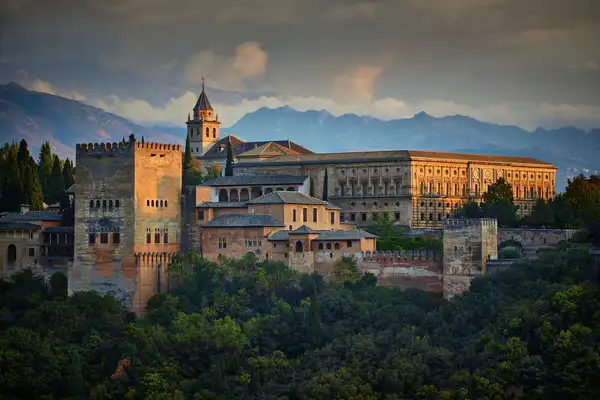
بَنو سَرّاج كانوا أقوى عائلة في آخر مملكة إسلاميّة بقيت على أرض أوروبا. في غرناطة، في القرن الخامس عشر — بينما كانت بقيّة إسبانيا قد سقطت واحدةً تلو الأخرى في أيدي الجيوش المسيحيّة — هذه العائلة ذات الأصول المغاربيّة كانت تُحرِّك كلّ شيء من وراء الستار. هم من يختارون السلطان، وهم من يُسقِطونه. صُنّاع ملوك بالمعنى الحرفيّ. لا أحد يجلس على عرش غرناطة دون مبارَكتهم. وكان هناك من يريد رؤوسَهم.
خصومهم — عشيرة تُسمّى الزِّغْريّين — صنعوا كذبةً من كلمتين، لكنّها كانت كافية لإشعال حريق. همسوا للسلطان أنّ واحدًا من فرسان بَني سَرّاج يُقيم علاقة سرّيّة مع زوجته — السلطانة نفسها. لا أحد يعرف إن كان الأمر صحيحًا أو مُختلَقًا. لكن في بلاطٍ يقوم على الشرف، التُّهمة وحدها حُكمُ إعدام. السلطان — الذي التهمَته الغَيرة وأعماه الرُّعب — اتّخذ قرارًا واحدًا: يمحو العائلة بأكملها. في ليلة واحدة.
أرسل الدعوة: وليمة مَلَكيّة داخل قصر الحمراء. ستّة وثلاثون فارسًا من خيرة بَني سَرّاج لبسوا أفخر ثيابهم وجاؤوا، لأنّ دعوة السلطان في غرناطة كانت أعلى تكريمٍ يمكن أن تحلم به عائلة نبيلة. عبروا صَحن الأُسود — اثنا عشر أسدًا من الحجر يحملون نافورةً رخاميّة على ظهورهم — ومرّوا فوق قنوات ماء صُمِّمت لتكون صورة عن أنهار الجنّة الأربعة. لم يعرفوا أنّهم يمشون نحو قبورهم.
واحدًا تلو الآخر، قِيدَ كلّ فارس إلى قاعة وقُطِعَ رأسُه فوق حوض نافورة رخاميّ في منتصف الأرضيّة. الماء كان يحمل الدم بعيدًا — فالضيف التالي لا يرى شيئًا، ولا يشكّ في شيء، حتّى تجد الشفرةُ رقبتَه. أنبَلُ عائلة في غرناطة دخلت أجمل غرفة في القصر... ولم يخرج منها أحد. تلك الغرفة لا تزال تحمل اسمَهم حتّى اليوم: قاعة بني سرّاج.
فوق المكان الذي ماتوا فيه، ترتفع واحدة من أعظم تُحَف الفنّ الإسلاميّ على الإطلاق: خمسة آلاف خليّة مُقَرْنَصة تتصاعد على شكل نجمة ثُمانيّة، والضوءُ المتسلِّل من ستّ عشرة نافذة يجعل السقف يبدو وكأنّه يتنفّس. بُنيَ ليبدو مثلَ الجنّة بعينها. وتحته مباشرة، في حوض النافورة الرخاميّ، بقعة حمراء رفضت أن تختفي منذ خمسمئة عام. العلم يقول إنّه أكسيد حديد. لكنّ كلّ من دخل ذلك المكان سمع الحكاية ذاتها — هذا دمُ الستّة والثلاثين، نَفَذَ في عروق الرُّخام حتّى لم يعُد ماءٌ في الدنيا قادرًا على مَحوه.
السلطان دمّر بيده العائلةَ الوحيدة التي كانت تُمسك مملكتَه من السقوط. بدونهم، مزّقت الحروبُ الأهليّة غرناطةَ — وهذا بالضبط ما كانت جيوش فرديناند وإيزابيلّا تنتظره لتقضي على آخر حِصن للمسلمين في إسبانيا. المثل العربيّ يقول: «أُكِلتُ يومَ أُكِلَ الثَّورُ الأبيَض.» وغرناطة أُكِلَت — بالحرف — يوم ذُبِحَ بَنو سَرّاج في نافورة قصرهم. في جيل واحد، لم يبقَ من المملكة شيء.
اليوم، الملايين يدخلون تلك القاعة كلّ عام. يرفعون رؤوسهم فيرون أدقّ ما نحتته يدٌ بشريّة في التاريخ. يَخفِضون رؤوسهم فيرون البقعة في النافورة. ويُحسّون بالشيء الذي يجعل الحمراء مختلفةً عن كلّ قصر على وجه الأرض: الجمال في الأعلى. الدم في الأسفل. أرقى ما أنتجته حضارة، يحوم مباشرةً فوق البقعة التي دمّرت فيها تلك الحضارةُ نفسَها.