
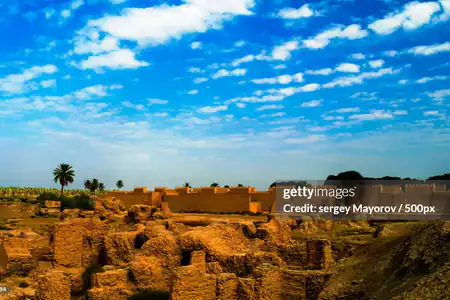
یک حقیقت هست که باید خوابِ هر صاحبقدرتی را آشفته کند: بزرگترین امپراتوریِ جهانِ باستان نه در جنگ سقوط کرد، نه در محاصره. در یک مهمانی سقوط کرد. شبِ دوازدهمِ اکتبرِ سالِ ۵۳۹ پیش از میلاد، بابل — شهری که باروهایش آنقدر پهن بودند که ارّابهها رویشان مسابقه میدادند — از درون گشوده شد، درست وقتی که فرمانروایانش سرمست و بیخبر بودند. بیرون، سپاهِ ایران. و درون؟ جشن و شراب و هلهله.
امّا دردِ اصلی دشمنِ پشتِ دروازه نبود — پادشاهی بود که پایتخت را رها کرده بود. نَبونائید، آخرین شاهِ بابل، ده سال پیش شهر را ترک کرده و در واحهای به نامِ تَیما — هزار کیلومتر دورتر، در دلِ بیابان — ساکن شده بود. پسرش بَلشَصَّر را گذاشته بود تا کشور را اداره کند. مقدّسترین جشنِ بابلیها — آیینی که فرمانرواییِ شاه را مشروعیّت دوباره میبخشید — ده سالِ تمام برگزار نشده بود. کاهنان خشمگین بودند. مردم وحشتزده. و ایران هر روز نزدیکتر.
آن شبِ آخر، بَلشَصَّر بزمی باشکوه برپا کرد و هزار تن از بزرگانِ مملکت را به کاخ فراخواند. بعد دست به کاری زد که صدایش تا ابد در تاریخ میپیچد: فرمان داد جامهای زرّین و سیمینی را بیاورند که نَبوکَدنَصَّر — نیرومندترین پادشاهِ بابل — نزدیکِ پنجاه سال پیش از معبدِ سلیمان در اورشلیم به غنیمت برده بود. ظرفهایی مقدّس، وقفشده به خدای بنیاسرائیل. بَلشَصَّر و مهمانانش از همان جامها نوشیدند و به بُتهای سنگی و زرّینشان سلامتی دادند.
و درست همان لحظه بود. یک دستِ انسانی — نه بازویی، نه پیکری، فقط انگشتان — از هیچ پدیدار شد و شروع کرد به نوشتن روی دیوارِ کاخ. بَلشَصَّر با چشمِ خودش دید. رنگ از رخسارش پرید. زانوهایش سُست شد. فریاد زد و هر دانشمند و ستارهشناسی را در سراسرِ بابل فراخواند. به هرکس بتواند آن نوشته را بخواند، ثروت و مقام وعده داد. هیچکس نتوانست.
سرانجام یکی دانیال را به یاد آورد — تبعیدیِ یهودی که شصتوشش سال پیش نوجوانی بود وقتی به بابل آوردندش، و حالا پیرمردی سالخورده بود. دانیال آمد، پاداشها را رد کرد، و نوشتهی دیوار را خواند: مَنا، مَنا، تِقیل، اوفَرسین. واژههایی آرامی با دو لایهی معنا. رویِشان واحدهای وزنِ نزولی بود — مینا، شِقِل، نیممینا — که گویی سقوطِ تدریجیِ شاهانِ بابل را ترسیم میکرد. و زیرشان حُکمِ مرگ بود: شمرده شد. سنجیده شد. تقسیم شد. فرمانرواییت تمام شده — و ایران همین امشب آن را خواهد گرفت.
همان شب، کوروشِ بزرگ نقشهاش را به اجرا گذاشت. مهندسانش بالادستِ شهر مسیرِ رودِ فرات را منحرف کردند. فرات از میانِ بابل میگذشت و از دروازههایی در دیوارِ بلندِ شهر وارد و خارج میشد. وقتی آب فرو نشست، سربازان ایرانی در بسترِ کمعمقِ رودخانه راه افتادند، از زیرِ دروازههای بینگهبان گذشتند، و شهر را از درون گرفتند. بابل بدون یک ضربهی شمشیر افتاد.
بَلشَصَّر پیش از دمیدنِ آفتاب مُرده بود. کوروش هفده روز بعد وارد بابل شد — نه ویرانگر، بلکه آزادگر. معبدهای متروک را بازسازی کرد، به خدایان محلّی احترام گذاشت، و فرمانی صادر کرد که سرنوشتِ تاریخ را عوض کرد: یهودیانِ تبعیدی آزادند به سرزمینشان بازگردند و معبدشان را در اورشلیم دوباره بسازند. اسارتِ بابلی — نزدیک به پنجاه سالِ تبعید — پایان یافت. و جامهایی که بَلشَصَّر آن شب از آنها نوشیده بود، به شهری بازمیگشتند که از آن ربوده شده بودند.
میگویند خدا دیر میگیرد ولی سخت میگیرد. آن شب در بابل، هم دیر گرفت و هم سخت. بیدلیل نیست که «نوشته بر دیوار» به یکی از ماندگارترین اصطلاحها در هر زبانی بدل شده. چون لحظهای را نشان میدهد که همه میشناسیم: لحظهی درست پیش از فروپاشی، وقتی نشانهها همهجاست ولی صاحبانِ قدرت سرگرمِ جشناند. امپراتوریها پایان خود را اعلام نمیکنند. بزم برپا میکنند. از جامهای زرّین مینوشند. و جایی، با واژههایی که حاضر نیستند بخوانند، حُکم از پیش نوشته شده.