
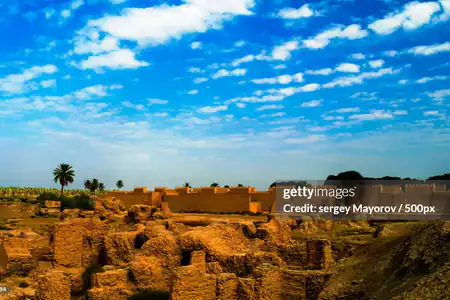
紀元前1755年ごろ、バビロンで前代未聞のことが起きた。ハンムラビ王は282の法律を——殺人、窃盗、離婚、さらには手抜き工事に至るまで——高さ2メートルを超える黒い石柱に刻み込み、神殿に据えた。誰でも見られるように。そこに込められたメッセージはシンプルだが、とてつもなく大胆だった。法は秘密ではない。万人のものだ。
石柱の頂には、一枚の浮き彫りがある。ハンムラビが太陽神シャマシュの前に立つ場面だ。シャマシュはバビロニア人にとって、すべてを見通し、嘘を決して許さない神。その神が、王権の象徴である杖と輪をハンムラビに手渡している。意味は明快だ——これは一人の王の個人的な意見ではない。天が認めた法である。その下に、楠形文字で書かれた49列のテキストが、日常生活のほぼすべてを網羅する規則を記していた。
ハンムラビは哲学者ではなかった。征服者だった。紀元前1792年に即位したとき、バビロンは強敵に囲まれた小国にすぎなかった。30年かけて、彼はすべてのライバルを打ち倒した。ユーフラテス川沿いの富裕な交易都市マリの陥落は、古代世界に衝撃を与えた。彼が残した書簡には、灌漑の争いを自ら裁定し、汚職官僚を追い詰める姿が記録されている。この石碑は、そんな完璧主義者の最高傑作だった。
最も有名なのは第196条。自由民の目をつぶした者は、自分の目をつぶされる。「目には目を」——この原則は聖書にもコーランにも現れ、現代のあらゆる法体系の底流にある。天網恢々疎にして漏らさず、と古くから言う。だがハンムラビの法の網は、最初から身分によって目の粗さが違っていた。貴族の目をつぶせば、自分の目を失う。平民なら罰金。奴隷なら、持ち主にいくらか払えば済んだ。法はすべての人に見えるように刻まれた。だが、すべての人に等しく適用されるようには書かれていなかった。
一方で、驚くほど現代的な条文もあった。建築業者の手抜きで家が倒壊し住人が死んだら、業者は処刑される。夫が戦争で捕虜になった場合、妻は再婚できた——そして夫が帰還すれば、どちらの夫と暮らすか選ぶ権利があった。夫の度重なる侥辱を証明できた妻は、自分の財産を持って家を出ることができた。四千年前のバビロンでは、女性はすでに精神的な虐待から法的に守られていたのだ。
石柱は神殿で六百年、静かに立ち続けた。だが紀元前1158年ごろ、エラムの王シュトルク・ナフンテが侵攻し、戦利品としてこの石を持ち去った。現在のイラン南西部へ。彼はハンムラビの名を削り取り、自分の名を刻もうとした——が、なぜか最後まで完成させなかった。以後三千年以上、石柱は地中に埋もれ、その上で興亡を繰り返すすべての文明に忘れ去られた。
1901年12月、フランスの考古学者ジャック・ド・モルガンが、現在のイラン・シューシュでこの石柱を掘り出した。翌年、ジャン=ヴァンサン・シェイルが碑文を翻訳すると、学界に激震が走った。聖書の出エジプト記に記された律法と、驚くほど酸似していたのだ。モーセの律法は完全に独自のものだと信じていた研究者たちは、一千年以上も前にバビロニアの王がほぼ同じ内容を石に刻んでいたという事実と向き合うことになった。
今日、この石柱はパリのルーヴル美術館に立ち、今も天を指している。刻まれた法は現代の基準では公正とは言えない——富者を優遍し、今日の感覚では許しがたい刑罰も含まれている。だがハンムラビは、どんな帝国よりも長く生き残るひとつの理念を世界に残した。法は犯罪に先立って存在すること。刑罰は罪に釣り合うものであること。そして、たとえ王であっても、自分より大きなものに従うということ。彼はその理念を、見つけうる限り最も硬い石に刻んだ。四千年が経った今も、人類はまだそれを超えられていない。