
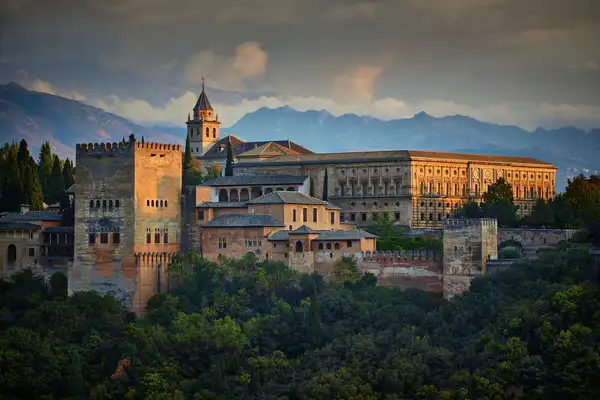
유럽에 마지막으로 남은 이슬람 왕국, 그라나다. 15세기, 스페인 전역이 기독교 세력에 무릎을 꿇을 때 이 작은 왕국만은 버텼다. 그런데 이 왕국의 진짜 권력자는 술탄이 아니었다. 아벤세라헤스. 북아프리카에서 건너온 이 귀족 가문이 왕좌 뒤에서 모든 줄을 당겼다. 누가 술탄이 되고, 누가 쫓겨나는지는 언제나 이들이 정했다.
그런 가문을 무너뜨리는 데는 거짓말 하나면 충분했다. 경쟁 가문인 세그리에스가 술탄의 귀에 속삭였다. 아벤세라헤스의 기사 하나가 왕비와 밀통하고 있다고. 사실인지는 중요하지 않았다. 명예가 곧 법이었던 궁정에서 그 한마디는 사형 선고나 다름없었다. 술탄은 질투와 수치심에 불타올랐고, 한 명이 아닌 가문 전체를 하룻밤에 쓸어버리기로 했다.
술탄은 아벤세라헤스의 기사 서른여섯 명을 연회에 초대했다. 알함브라 궁전에서 열리는 술탄의 연회라니, 이보다 큰 영예가 어디 있겠는가. 그들은 최고의 옷을 차려입고 열두 마리 돌사자가 대리석 분수를 받치고 있는 사자의 정원을 지나갔다. 천국의 네 강을 본떠 만든 수로 위로 물이 흘렀다. 자신들이 죽음을 향해 걸어가고 있다는 걸, 그들은 전혀 몰랐다.
기사들은 한 명씩 안으로 불려 들어갔다. 그리고 한 명씩, 대리석 분수 위에서 목이 잘렸다. 물이 피를 씻어 내렸기에 다음 사람은 아무것도 보지 못했고, 아무것도 눈치채지 못했다. 칼날이 목에 닿는 순간까지. 그라나다 최고의 귀족 가문이 궁전에서 가장 아름다운 방으로 걸어 들어갔고, 단 한 명도 걸어 나오지 못했다. 그 방은 지금도 '아벤세라헤스의 방'이라 불린다.
그들이 죽은 자리 바로 위에는 인류가 만든 가장 경이로운 천장이 있다. 오천 개의 벌집 모양 장식이 여덟 꼭짓점 별 형태로 솟아오르고, 열여섯 개의 창에서 쏟아지는 빛이 천장을 살아 숨 쉬게 만든다. 천국을 본뜬 것이다. 그런데 그 아래, 대리석 분수에는 오백 년이 지나도 지워지지 않는 붉은 얼룩이 있다. 과학자들은 산화철이라 한다. 하지만 오백 년째 사람들이 전하는 이야기는 하나다. 서른여섯 기사의 피가 너무 깊이 스며들어 어떤 물로도 씻기지 않는다고.
옛말에 참을 인 자 셋이면 살인도 면한다 했다. 술탄은 그 인 자를 단 한 번도 쓰지 못했다. 살인을 면하기는커녕, 왕국의 기둥을 자기 손으로 베어 버렸다. 아벤세라헤스가 사라지자 그라나다는 내전으로 갈기갈기 찢어졌고, 페르난도와 이사벨라의 군대가 노리던 바로 그 틈이 벌어졌다. 스페인의 옛 노래는 이렇게 읊는다. "그대가 아벤세라헤스를 죽였으니, 그들은 그라나다의 꽃이었거늘." 한 세대가 채 지나기 전에 왕국은 영원히 사라졌다.
오늘, 매년 수백만 명이 그 방에 들어선다. 고개를 들어 천장을 올려다본다. 사람의 손이 빚은 것 중 가장 정교한 것을. 그리고 고개를 숙여 분수의 얼룩을 내려다본다. 그 순간 누구나 느낀다, 알함브라가 세상 어떤 궁전과도 다른 이유를. 위에는 아름다움. 아래에는 피. 문명이 이룬 가장 높은 곳이, 그 문명이 스스로 무너진 바로 그 자리 위에 떠 있다.