
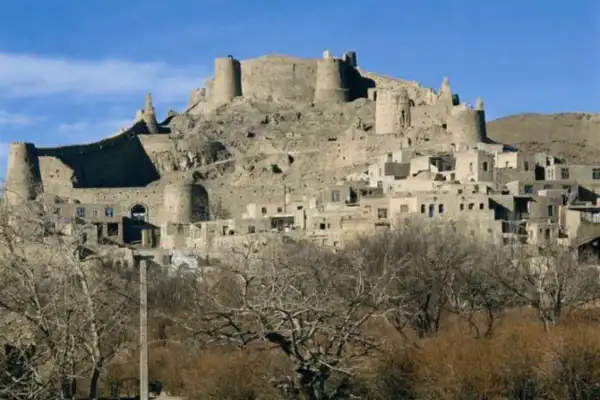
大约公元840年,一个叫瓦赫苏丹的统治者在里海南岸的大山里打猎——这片伊朗山区地势险恶到连阿拉伯大军都啃不下来。然后他看见了改变一切的一幕:一只巨鹰从天而降,稳稳落在一块拔地而起两百米的刀刃般的岩石上。瓦赫苏丹抬头望着那块岩石——三面绝壁,只有一条窄路可以接近,下面是河流——一下子就明白了。这只鹰刚刚告诉他,该在哪里建一座攻不破的堡垒。
他建了。而且用这个教训来命名。在当地的戴拉姆方言里,“aluh”是鹰,“amukht”是教导。Aluh amukht——鹰的教导。这个名字在几百年间被说快了、说短了,最后变成了一个词:阿拉穆特。堡垒在岩石顶端待了两百五十年,在当地统治者之间辗转易手——一个藏在隐秘山谷里的完美要塞,几乎无人知晓。
1090年,一切都变了。一个叫哈桑·萨巴赫的流亡传教士——什叶派伊斯玛仪运动的领袖——悄悄溜进了山谷,没流一滴血就拿下了这座城堡。他把阿拉穆特变成了一场运动的大本营,这场运动在接下来近两百年里让整个中世纪世界闻风丧胆。但这还不是故事里最离奇的部分。
在伊斯兰的传统里,每个阿拉伯字母都对应一个数值。中世纪学者们发现了一件惊人的事:把古老的戴拉姆语名字——Aluh amukht——的字母数值加起来,总和恰好是483。哈桑攻占阿拉穆特是哪一年?伊斯兰历483年。瓦赫苏丹在哈桑出生前两百五十年给城堡起的名字,精确地包含了让它名垂青史的那个日期。都说冥冥之中自有天意——可这一次,天意是长着翅膀飞来的。
1256年,蒙古人来了。他们拆了城墙,烧了那座传奇的图书馆,屠杀了守军。这个山谷本就与世隔绝——四面环山,峡谷每年有半年被洪水封死——如今重新归于沉寂。接下来将近七百年,阿拉穆特只作为传说存在:马可·波罗笔下被迷药控制的刺客和天堂花园的荒诞故事,一个被从没去过那儿的欧洲作家随意借用的名字。
1930年,一个三十七岁的英国女人弗蕾雅·斯塔克从巴格达出发,骑在一头骡子背上——带着行军床、蚊帐,还有非找到“刺客谷”不可的决心。她是个自学成才的测绘师,之前已经走过了中东许多连欧洲男人都不敢去的地方。她一边和疟疾搏斗一边翻越山口,沿途每个向导对同一座山头叫法都不一样。当她到达那块岩石时,发现官方地图完全画错了——于是自己动手改正。她写的那本书,把阿拉穆特重新带回了世人眼前。
今天,大约百分之三十的堡垒遗迹还留在山谷上方的岩石上。游客要爬两百米的陡峭台阶,才能看到断壁残墙、废弃的作坊,以及哈桑的工程师凿进悬崖的一条引水渠——将近一千年后依然能用。但你站在山顶时真正注意到的,不是废墟,而是金雕。它们还在那里,乘着风盘旋在山峰之上,巡视着瓦赫苏丹一千两百年前打猎的同一个山谷。鹰选对了地方。这份启示,至今仍在。