
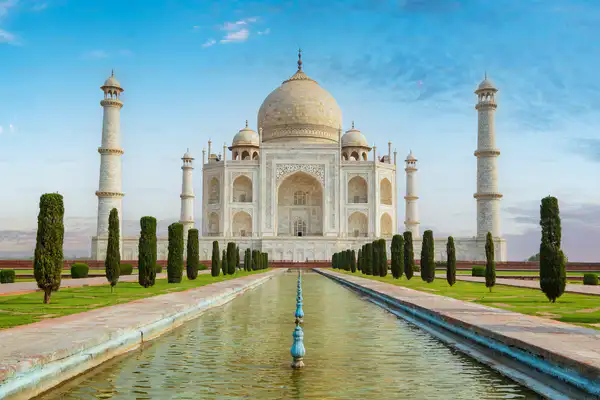
1665年,一个叫塔韦尼埃的法国珠宝商站在阿格拉的亚穆纳河边,听到了一个他这辈子都忘不了的故事。这人不简单——为了追钻石,他六次横跨欧亚大陆,还想办法混进了莫卧儿皇帝的宫廷。当地人跟他说了件疯狂的事:沙贾汗皇帝不只是为亡妻建了白色大理石的泰姬陵。他还打算在河对岸再建一座一模一样的——只不过全部用黑色大理石——作为自己的陵墓。
塔韦尼埃回到法国后,在1676年的回忆录里写了一笔。但重点来了——他压根没提什么黑色大理石。他就写了一句话:沙贾汗在河对岸动工了自己的陵墓,但儿子们打起来了,工程就停了。就这么一句。然后呢?三百多年里,一个传一个,黑色石头、镜像设计、连接两座陵墓的银桥……细节越加越多。传说美到什么程度?所有人都默认它是真的。
1871年,英国考古学家卡莱尔似乎拿出了铁证。他在泰姬陵正对面的一片废墟花园——叫“月光花园”——里挖出了发黑的石头和巨大的地基。他宣布:我找到了黑色泰姬陵的遗址。接下来整整一百年,没人质疑他。游客们专门渡河,站在那些废墟上,想象沙贾汗未完成的梦。
到了九十年代,考古学家终于认真验证了这个传说。印度考古调查局花了六年,挖走了九万立方米的泥土。结果呢?那些“黑色石头”——就是白色大理石。跟泰姬陵用的一模一样的石头,只是被几百年的洪水和苔藓染黑了。实验室检测确认了这一点。那些地基?是花园凉亭和水池的遗迹。没有采石废料,没有建筑碎片。什么都没有。
历史记录也站在科学这边。沙贾汗的宫廷史官有多较真?每一笔开支、每一批材料、每一个工人的工资,全部记得清清楚楚。他们的编年史叫《帕德沙纳马》,里面关于第二座陵墓——一个字都没有。时间线也根本说不通:泰姬陵大约1653年才完工,沙贾汗1657年就病倒了,紧接着他儿子奥朗则布就夺了皇位。中间只有四年——而泰姬陵花了二十二年才建成。
老话说事不过三。这个传说经历了三次考验——珠宝商的传言、考古学家的“铁证”、现代科学的检验——到第三次,它终于倒下了。但倒下之后露出来的东西,比传说本身还要动人。月光花园其实是莫卧儿开国皇帝巴布尔建的,沙贾汗把它修缮成了一个赏月平台。花园中央有一座八角形水池,周围环绕着二十五座喷泉,种满了夜间开放的花。2006年,研究人员往池子里灌满了水,等到天黑。然后他们看到了——泰姬陵的倒影浮现在静止的水面上,一座由月光构成的幽灵之塔。
那为什么这个传说就是不肯死?因为我们不让它死。一个痴情皇帝被亲生儿子推翻、囚禁在城堡里、只能远远望着亡妻的白色陵墓——这个故事总觉得缺了点什么。黑色泰姬陵补上了这个缺口:他的爱太深了,一座纪念碑根本不够,要不是亲生儿子的背叛,他会再建一座。人们需要这个故事。它让泰姬陵从一座关于“失去”的纪念碑,变成了一座关于“不甘心”的纪念碑。后者更扎心。
但真相比传说更好。月圆之夜,沙贾汗——哪怕是从阿格拉堡的牢房里——也能看到亚穆纳河把白色泰姬陵变成一个黑色的倒影。你摸不到它,走不进它,也留不住它。水面平静时它就出现,水面一动它就消失。也许这才是最真实的悼念——不是永恒的,而是颤动的、活着的。黑色泰姬陵从来不需要被建造。因为每个夜晚,河水都在替他建。