
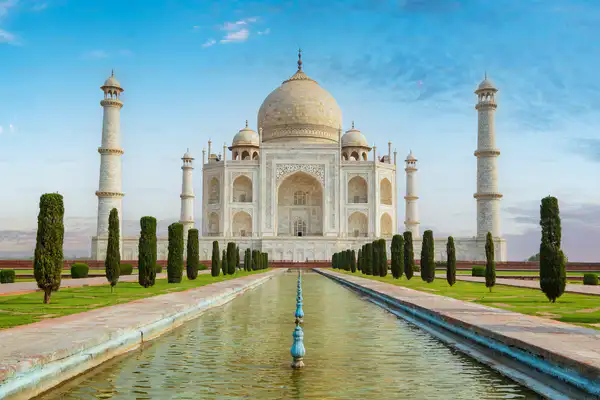
印度阿格拉有个流传了几百年的故事。1653年,泰姬陵完工,莫卧儿皇帝沙贾汗下令砍掉两万名工匠的双手——好让世上再也没人能造出同样美的建筑。有些版本更狠,说连眼睛也一起挖了。这是全世界最有名的传说之一。也是彻头彻尾的假话。
这假话连原创都算不上。莫斯科的圣瓦西里大教堂——伊凡雷帝弄瞎了建筑师。伊斯坦布尔的法提赫清真寺——苏丹砍了建筑师的手。民俗学家早就归纳过:人类每造出一件美到离谱的东西,就非要编出建造者遭殃的故事。都说三人成虎,三座城市讲了同一个谎,谎就成了“历史”。可老虎从来不存在。
沙贾汗的官方宫廷史《帕德沙纳玛》——几百页事无巨细的莫卧儿账本,每笔工资、每份采石合同都记得一清二楚——对砍手一事只字未提。两万人四万只手说砍就砍,等于瞬间报废全亚洲最顶尖的工匠团队。一个连大理石运费都要入账的帝国,漏掉了这种事?不是漏了。是根本没发生。
事实恰好相反。1641年,泰姬陵还在建,沙贾汗就在全帝国禁止了强制劳动。阿格拉堡铭文记载,皇家财库支付了一千一百万达姆的工匠工资。考古学家还在泰姬陵的砂岩上发现了约670个名字——阿拉伯文和波斯文,印度教与伊斯兰教的符号肩并肩。那不是囚犯的抓痕,是签名。来自为自己作品骄傲的人。
首席建筑师乌斯塔德·拉合里——研究过欧几里得的数学家,人称“时代奇迹”——泰姬陵之后并没有消失。他转头就去设计德里红堡,沙贾汗的新首都。约1649年自然去世,双手完好。他儿子后来替沙贾汗的儿子奥朗则布皇帝造了一座泰姬陵的复制品。什么“禁止复制”的命令?根本不存在。
书法家阿卜杜勒·哈克从伊朗而来,在泰姬陵每座拱门上刻写古兰经经文。他把字体设计成越高处越大,从地面仰望时大小却完全一致——这个视觉把戏今天依然有效。沙贾汗赐他贵族头衔、土地和终身财富。泰姬陵上唯一留下署名的人,最后用自己的积蓄为旅人建了一座驿站。
谎言为什么不死?一部分原因是英国殍民时代“残暴东方帝王”的叙事套路,方便为统治印度找理由。但更根本的原因是:当你站在泰姬陵前,白色大理石铺满视野,石雕花朵逼真到好像伸手就能摘——你的大脑需要一个配得上这种美的解释。四万只断手,以一种可怕的方式,恰好是一个足够大的答案。
真实的故事更好。两万名不同信仰的工匠,天才建筑师带队,国库发工资,在一位禁止强制劳动的皇帝治下建造了二十二年。他们把名字刻进了墙壁,把手艺教给了儿子,儿子们后来为尚未登基的皇帝建造宫殿。那些手从未被砍断。美不是诅咒。是礼物——自由给出的礼物。