
About
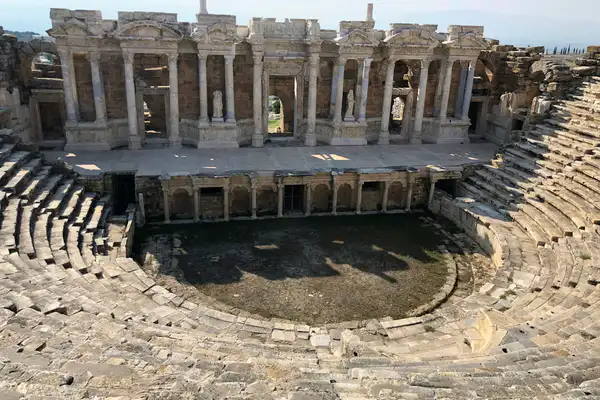
s history spans three millennia. Founded by Ionian Greek settlers around the 10th century BC, Ephesus grew to become one of the most important cities of the ancient world. The Temple of Artemis, built here, was one of the Seven Wonders of the Ancient World — four times larger than the Parthenon in Athens. Ephesus was a city of firsts: it hosted one of the first Christian communities established by Saint Paul, became home to the Virgin Mary in her final years, housed the legendary Library of Celsus (the third-largest library in the ancient world), and featured the largest ancient theater in Anatolia with 25,000 seats. The city played a pivotal role in early Christianity. Saint Paul spent three years here and wrote his famous "Letter to the Ephesians." The Gospel of John may have been written here. The Third Ecumenical Council was held here in 431 AD, where Mary was declared "Theotokos" (Mother of God). Walking through Ephesus is walking through layers of human history: Greek temples, Roman streets, Byzantine churches, and the legends of gods, philosophers, and saints who shaped Western civilization.
Historical Significance
“Ephesus represents the pinnacle of ancient urban civilization. At its peak, it was the second-largest city in the Roman Empire after Rome itself. The city was the commercial and cultural capital of Asia Minor, serving as the endpoint of the Silk Road and the gateway between East and West. The Temple of Artemis made Ephesus a pilgrimage destination for centuries. The goddess Artemis of Ephesus (Ephesian Artemis) was unique — not the virgin huntress of Greek mythology, but a multi-breasted fertility goddess reflecting Anatolian mother-goddess traditions. The temple's destruction and rebuilding became one of antiquity's most famous stories. Christian history runs deep here. Saint John brought the Virgin Mary to Ephesus after the Crucifixion. Saint Paul's preaching caused a famous riot when silversmiths who made Artemis statues feared for their livelihood. The city became one of the Seven Churches of Asia addressed in the Book of Revelation. Austrian archaeologists have excavated Ephesus since 1863, uncovering less than 20% of the ancient city. Each year brings new discoveries, and the site continues to reveal secrets of the ancient world.”
物語
7History
👑 Built by
Ionian Greek settlers, expanded by Lydian King Croesus, Roman Emperors
10th century BC - Ionian Greeks establish settlement
7th century BC - Lydians conquer Ephesus
560 BC - King Croesus funds the Temple of Artemis
356 BC - Herostratus burns Temple of Artemis on the night Alexander the Great is born
334 BC - Alexander the Great liberates Ephesus from Persia
129 BC - Becomes capital of Roman province of Asia
53-57 AD - Saint Paul resides in Ephesus for three years
262 AD - Goths destroy the Temple of Artemis
431 AD - Third Ecumenical Council held here (Mary declared Theotokos)
614 AD - Persian invasion causes major destruction
1863 - Austrian archaeological excavations begin
2015 - Designated UNESCO World Heritage Site