
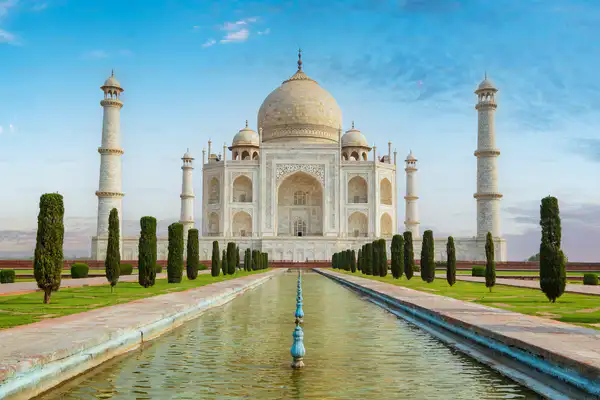
インドのアグラに、タージ・マハルの白い影の下で語り継がれてきた話がある。1653年、ムガル帝国の皇帝シャー・ジャハーンの傑作が完成したとき、彼は二万人の職人全員の手を切り落とすよう命じた。二度とこれほど美しいものを造れないように。ある版では目もえぐったという。世界で最も有名な伝説のひとつだ。そして、完全なでっち上げだ。
しかもこの嘘は使い回しだ。モスクワの聖ワシリイ大聖堂——イヴァン雷帝が建築家の目を潰した。イスタンブールのファーティフ・モスク——スルタンが建築家の手を切った。民俗学者はこれを人類共通の神話パターンとして記録している。信じられないほど美しいものが生まれると、人は「造った者は罰を受けた」という話をでっち上げる。「三度目の正直」というが、三つの都市で繰り返された嘘は、三度目でも嘘のままだ。
シャー・ジャハーンの公式宮廷記録『パードシャーナーマ』——賃金から採石契約、大理石の出荷まで一行残らず記した数百ページのムガル帝国の帳簿——に、職人への処罰は一行もない。二万人の手を四万本切るということは、アジア最高の技術者集団を一瞬で失うということだ。石材の運送費まで帳簿につける帝国が、記録しなかった?しなかったのではない。起きなかったのだ。
シャー・ジャハーンがしたのは、むしろ正反対のことだった。1641年、建設の真っ最中に帝国全土で強制労働を禁じた。アグラ城の碑文には、王室財庫から一千百万ダムが職人の賃金として支払われた記録がある。そして考古学者は後に、タージ・マハルの砂岩に刻まれた約670の名前を見つけた。アラビア文字とペルシア文字で、ヒンドゥーとイスラムのシンボルが隣り合っていた。囚人の爪痕ではない。自分の仕事を誇る者たちの署名だ。
主任建築家ウスタード・アフマド・ラホーリー——ユークリッドを学んだ数学者で「時代の驚異」と呼ばれた——はタージ・マハルの後、消えてなどいない。すぐ次の仕事に移った。シャー・ジャハーンの新首都デリーに建つレッド・フォートの設計だ。1649年頃、自然死。両手は無傷だった。息子は後にシャー・ジャハーンの子アウラングゼーブ帝の依頼でタージ・マハルのレプリカを造っている。「複製禁止」など最初からなかった。
書家アブドゥル・ハクはイランから呼ばれ、すべてのアーチにクルアーンの章句を刻んだ。壁を上がるほど文字を大きくし、地上から見ると均一に見える設計にした——今も完璧に機能する視覚の仕掛けだ。シャー・ジャハーンは彼に貴族の称号、土地、生涯の富を与えた。タージ・マハルに唯一署名を残した人物は、裕福なまま世を去り、自分の稼ぎで旅人の宿を建てた。
なぜこの神話は消えないのか。ひとつは、「残虐な東洋の専制君主」という英国植民地時代の語りがインド支配の正当化に都合がよかったこと。だがもっと根本的な理由がある。タージ・マハルの前に立ち、白い大理石が視界を埋め、石の花が本物にしか見えないとき——脳はその美しさに釣り合う説明を求める。四万本の断たれた手は、恐ろしくはあるが、美しさと同じ大きさの「答え」になる。
でも本当の話のほうがいい。異なる信仰の二万人が、天才建築家に率いられ、国庫から給金を受け、強制労働を禁じた皇帝のもとで二十二年造り続けた。壁に名前を刻んだ。息子に技を教え、息子たちはまだ生まれていない皇帝のために建てた。タージ・マハルを造った手は、一本も断たれなかった。美は呪いではなかった。贈り物だった——自らの意志で差し出された、贈り物だった。